
Damaged Skin Barrier Signs: How to Tell If Your Skin Barrier Is Compromised
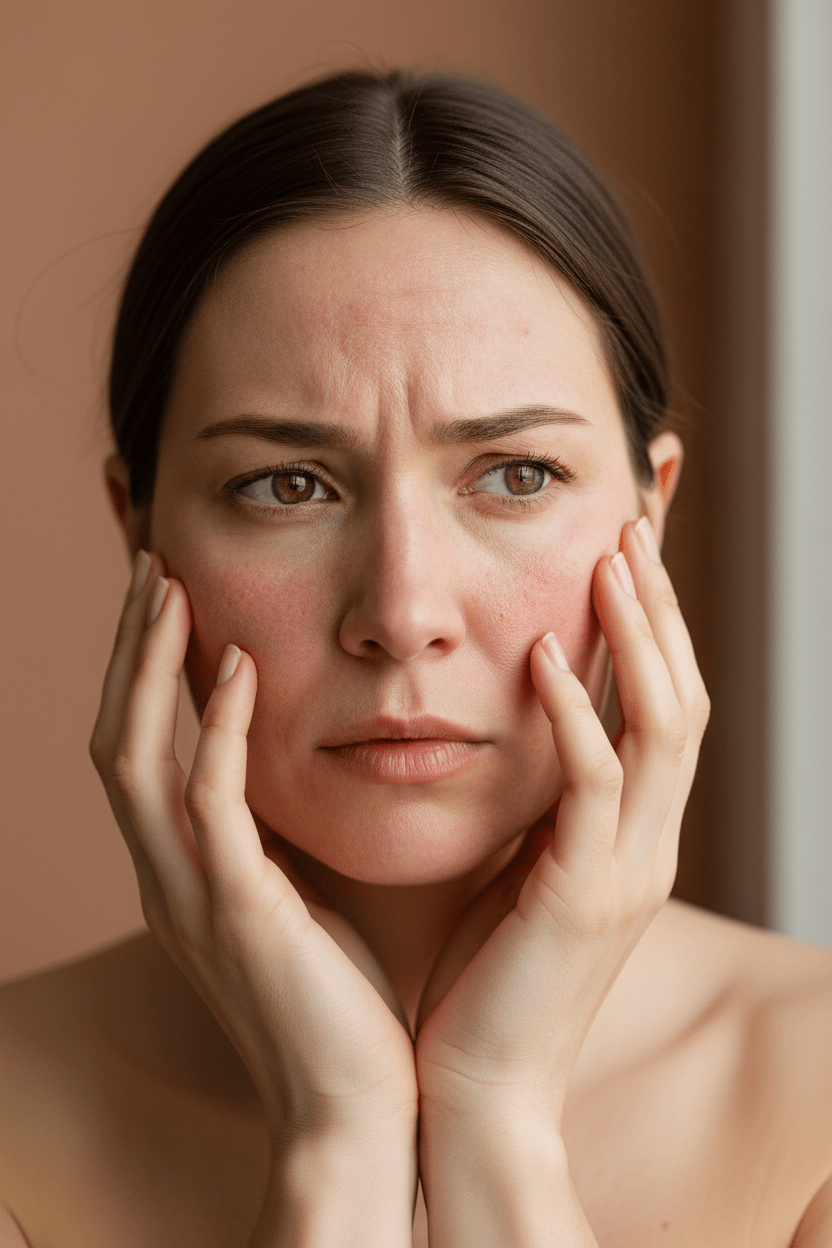
If your skincare suddenly stings, your face feels tight after cleansing or products you’ve used for months suddenly seem to irritate your skin, you may start wondering whether your skin barrier is damaged.
It’s a phrase we hear constantly in skincare — but what does a damaged skin barrier actually feel and look like?
As a Dermal Therapist and Nurse, I think it’s useful to understand the signs because sometimes the instinct is to add more skincare when what your skin may need is a simpler, gentler approach.
What is your skin barrier?
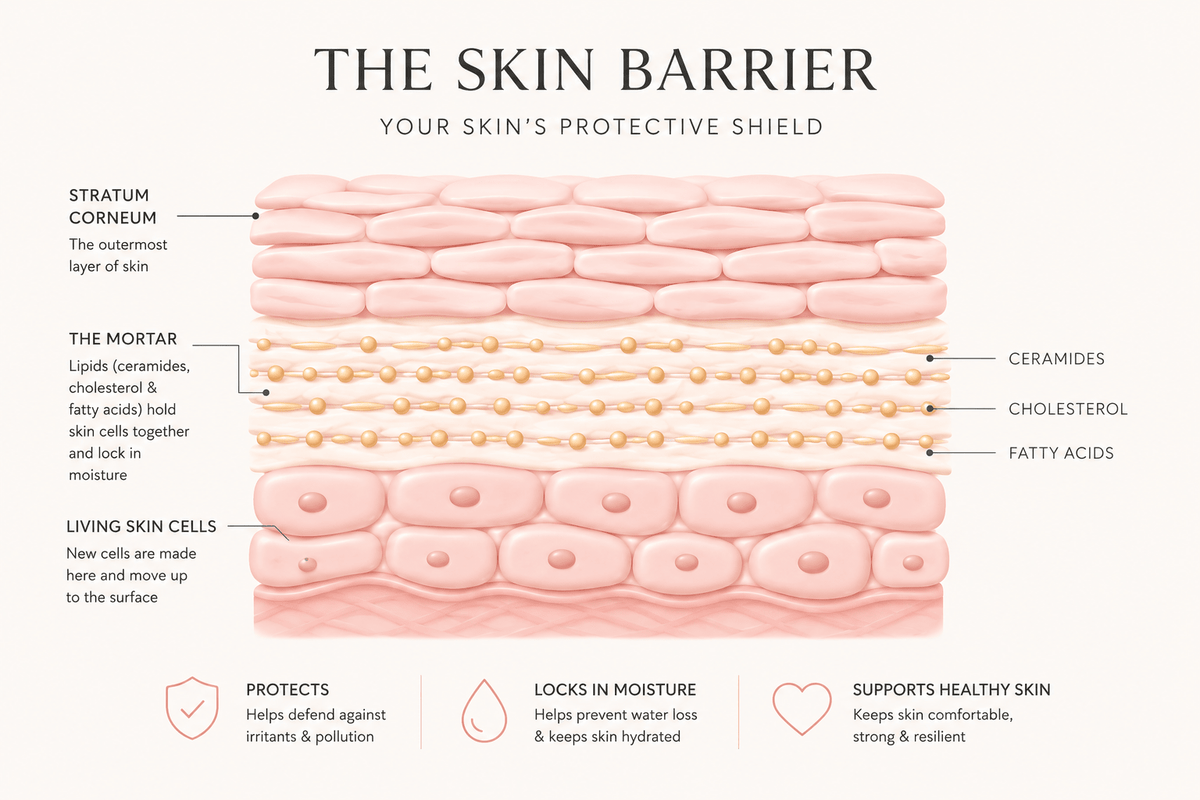
Your skin barrier refers to the outermost layer of your skin, which helps reduce water loss and provides protection from the external environment.
A useful way to picture it is like a brick wall.
Your skin cells are the bricks, while lipids — including ceramides, cholesterol and fatty acids — help form the structure around them.
When this barrier is functioning well, your skin is better able to retain moisture and protect itself from external stressors.
When barrier function becomes disrupted, skin can become drier, more sensitive and less comfortable.
7 common signs of a damaged skin barrier
There isn’t one single symptom that proves your skin barrier is damaged.
However, several changes occurring together can be a clue that your skin is struggling.
1. Your skin feels tight after cleansing
Your face shouldn’t feel stretched or uncomfortably tight after you wash it.
If you’re immediately reaching for moisturiser because your skin feels stripped, consider whether your cleanser or cleansing routine is too much for your skin.
Read: Why Does My Skin Feel Tight After Cleansing?
2. Skincare products suddenly sting or burn
One of the most noticeable changes can be products you’ve previously tolerated suddenly feeling uncomfortable.
Even relatively simple skincare may sting when skin is already irritated or compromised.
However, persistent burning or significant reactions shouldn’t automatically be blamed on your skin barrier.
Read: Why Does My Skin Burn After Applying Skincare?
3. Your skin becomes unusually dry or flaky
A disrupted barrier can increase moisture loss, which may leave the skin feeling dry, rough or flaky.
You might notice patches of dryness appearing even though you’re regularly applying moisturiser.
4. Your skin seems more sensitive than usual
Perhaps your usual routine suddenly feels like too much.
Your cleanser feels stronger. Your serum tingles. Weather changes affect your face more than they used to.
A noticeable increase in reactivity can occur when the skin is already irritated or its barrier function is compromised.
5. You notice increased redness
Redness can have many causes and isn’t enough on its own to diagnose a damaged skin barrier.
But when redness appears alongside tightness, dryness, flaking or increased sensitivity, it’s worth considering what has changed in your routine.
6. Your skin feels rough rather than smooth
When skin isn’t retaining moisture effectively, its surface may feel rough, uneven or less supple.
This can also affect how makeup sits on the skin.
Foundation that once applied smoothly may suddenly cling to dry areas or exaggerate texture.
7. Your skin feels both dry and congested
This one can be confusing.
Skin can feel dehydrated or dry while still experiencing breakouts or congestion.
The temptation is often to respond with stronger cleansers and more exfoliation — which may make already irritated skin feel even worse.

What causes a damaged skin barrier?
Barrier disruption can happen for many reasons, including:
- Over-cleansing
- Frequent exfoliation
- Introducing too many active ingredients at once
- Retinoid irritation
- Very hot water
- Environmental exposure
- Cold or dry weather
- Excessive sun exposure
- Using products your individual skin doesn’t tolerate
Sometimes it’s not one product.
It can be the cumulative effect of an entire routine.
A cleanser, exfoliating toner, active serum and retinoid may each be tolerated individually, but together — particularly when used frequently — they may become too much for some skin.
Is sensitive skin the same as a damaged skin barrier?
No.
This is an important distinction.
You can naturally have sensitive skin without having a damaged skin barrier.
Likewise, someone who doesn’t usually consider their skin sensitive can temporarily experience increased sensitivity when their skin becomes irritated or compromised.
If your skin has suddenly changed, look at what has changed around the same time.
Have you introduced a new active? Increased your retinoid? Started exfoliating more frequently? Changed cleanser? Been exposed to unusually dry or cold weather?
Those details can sometimes tell you more than the latest skincare trend on social media.
Can a damaged skin barrier repair itself?
The skin naturally undergoes processes of renewal and repair, but what you do to it during this period matters.
If your skin appears irritated, continually adding exfoliating acids, retinoids and new products may make it harder to work out what’s causing the problem.
This is often when I prefer a less-is-more approach.
Gentle cleansing, adequate moisturisation and sun protection provide a good foundation while you reassess the rest of your routine.
For the next steps, read: How to Repair a Damaged Skin Barrier
When it might be more than your skin barrier
Not every episode of redness, burning, itching, flaking or sensitivity is simply a “damaged barrier”.
Similar symptoms can occur with dermatitis, allergic reactions and other skin conditions.
If symptoms are severe, persistent, worsening, painful or you aren’t sure what’s causing them, seek advice from an appropriate healthcare professional rather than continually experimenting with skincare.
The bottom line
Your skin doesn’t need to meet every sign on this list to be struggling.
The biggest clue is often change.
If skin that was previously comfortable suddenly becomes tight, dry, flaky, reactive or uncomfortable, look at what you’ve been doing differently.
Sometimes the answer isn’t another active ingredient.
Sometimes it’s reducing what’s overwhelming your skin and giving your routine a chance to become boring again.
And when it comes to sensitive skin, boring can be a very good thing.
With care,
Nicole Phillips
Founder • Dermal Therapist • Nurse
Celulah Skin
This article provides general skincare information and is not intended to diagnose or treat a medical condition. Persistent, severe or unexplained skin symptoms should be discussed with an appropriate healthcare professional


Leave a comment
This site is protected by hCaptcha and the hCaptcha Privacy Policy and Terms of Service apply.