
barrier repair

Why Does My Skin Burn After Applying Skincare?

Woman touching her face with a sensitive, reactive skin expression

Why Does My Skin Burn After Applying Skincare?


Have you ever applied a moisturiser, serum or even a product you’ve used for years and suddenly thought:


Why is my skincare burning my face?

Stinging or burning after applying skincare can be confusing — particularly when your skin previously tolerated the same products without a problem.

It doesn’t automatically mean you’re allergic to the product, and it doesn’t always mean your skin barrier is damaged.

But persistent burning is something worth paying attention to.

Sometimes the product itself isn’t the only thing that’s changed.

Your skin may have changed too.


Why Does Skincare Suddenly Burn My Face?

There are several reasons skincare can suddenly sting or burn.

These can include:

  • Over-exfoliation
  • Using retinoids too frequently
  • Introducing several active ingredients at once
  • A cleanser that’s too stripping for your skin
  • Fragrance or essential oils if you’re sensitive to them
  • Recently shaved or exfoliated skin
  • Environmental changes
  • Sun exposure
  • An irritated or compromised skin barrier
  • A reaction to a particular ingredient or product
  • Certain underlying skin conditions

Sometimes it’s obvious what caused the problem.

Other times, someone tells me:

“I’ve used this product for years. Why does it suddenly sting now?”

That’s when it’s worth looking at the condition of your skin rather than assuming the product must have changed.

What Does Your Skin Barrier Have to Do With Burning?

Your skin barrier is the outermost layer of your skin.

One of its important functions is helping reduce water loss while protecting the skin from the external environment.

When barrier function is compromised, the skin may become more vulnerable to moisture loss and irritation.

You might notice:

  • Burning or stinging when applying skincare
  • Increased sensitivity
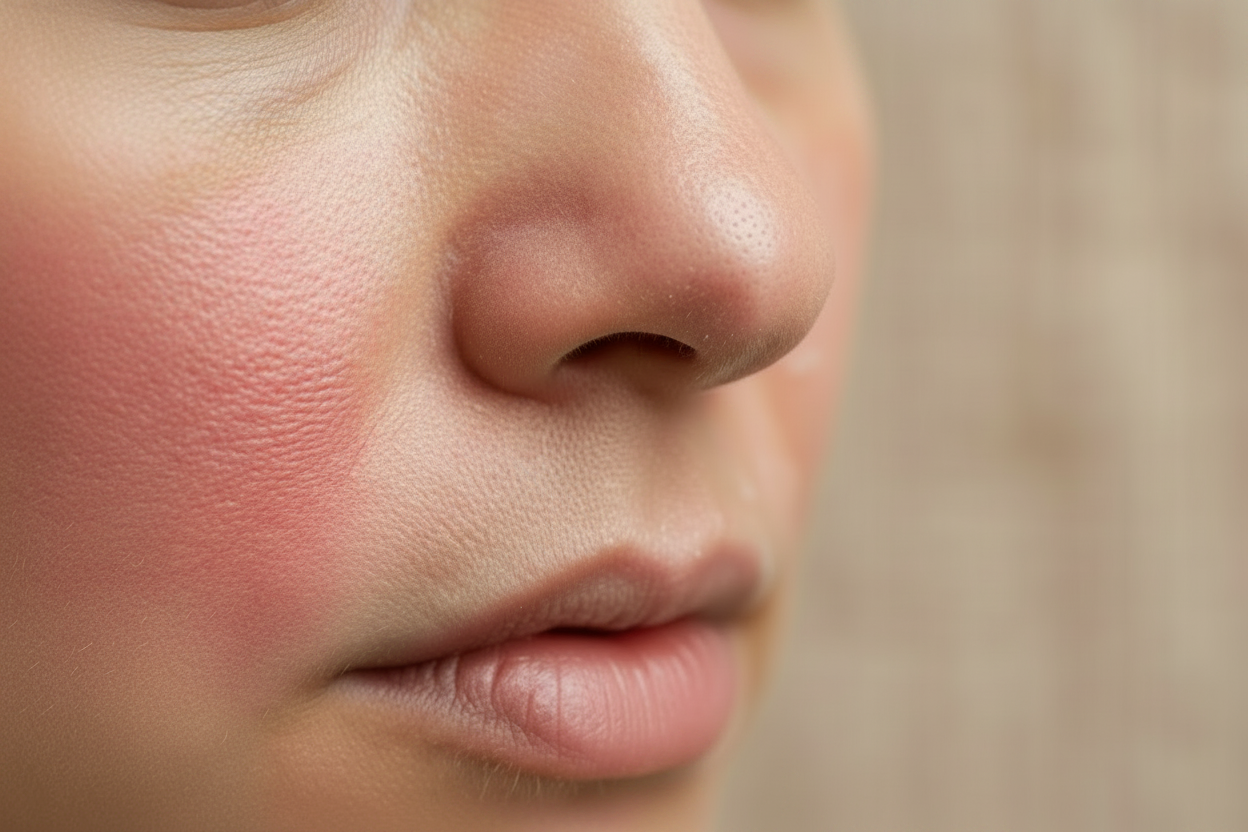
  • Redness
  • Tightness
  • Flaking or roughness
  • Products that previously felt comfortable suddenly stinging
  • Skin feeling unusually dry or dehydrated

In some cases, even very gentle products can feel uncomfortable when the skin is already irritated.

That doesn’t necessarily mean those products are inherently harsh.

It may mean your skin isn’t currently tolerating them in the way it normally would.

Read: Damaged Skin Barrier Signs — How to Tell if Your Skin Barrier Is Compromised


Can a Moisturiser Sting if Your Skin Barrier Is Damaged?

Yes, it can.

This is one of the reasons people sometimes become confused when a moisturiser marketed for sensitive skin suddenly stings.

If your skin is already irritated or compromised, ingredients that would ordinarily feel completely comfortable may cause a temporary stinging sensation.

However, don’t automatically assume that “it’s just my barrier” and continue applying a product that causes significant or persistent burning.

The product itself may not suit your skin.

If something repeatedly causes discomfort, stop using it and reassess.


Does Burning Mean a Skincare Product Is Working?

No.

Burning is not proof that skincare is effective.

This is particularly important with products marketed as powerful or highly active.

Some skincare ingredients can cause a temporary tingling or warming sensation depending on the formulation and your individual skin.

But you don’t need to endure significant burning, persistent stinging or ongoing irritation to get results.

Pain isn’t a measure of effectiveness.

If a product is repeatedly leaving your skin red, burning, peeling or uncomfortable, don’t assume you simply need to “push through”.

Your skin may be telling you that the product, concentration, frequency or combination of products isn’t right for it.


Can Over-Exfoliation Make Skincare Sting?

Absolutely.

Over-exfoliation is one of the first things I’d look at when someone tells me everything suddenly burns their face.

AHAs, BHAs and other exfoliating ingredients can be useful when used appropriately.

But more exfoliation doesn’t automatically mean better results.

Using exfoliating acids too frequently, combining multiple exfoliants or continuing to exfoliate already-irritated skin can leave the skin increasingly reactive.

You may then find that products that normally feel completely fine — including moisturiser — suddenly sting.

If that happens, adding another exfoliating product is unlikely to be the answer.

Read: Why More Skincare Isn’t Always Better


Can Retinol or Retinoids Cause Burning?

Retinoids can cause dryness, peeling and irritation, particularly when they’re first introduced or used too frequently.

That doesn’t mean sensitive skin can never use a retinoid.

But frequency, strength, formulation and your individual tolerance all matter.

If you’re simultaneously using a retinoid, exfoliating acids and several other active products and your face suddenly starts burning when you apply moisturiser, your overall routine deserves a closer look.

Sometimes the problem isn’t one “bad” ingredient.

It’s the cumulative effect of the entire routine.


Could My Cleanser Be Causing the Problem?

Possibly.

If your skin already feels tight, dry or uncomfortable immediately after cleansing, you’re applying the rest of your skincare onto skin that’s already unhappy.

Cleansing should remove sunscreen, makeup, excess oil and impurities without leaving your skin feeling stripped.

Pay attention to how your face feels immediately afterwards.

If your skin consistently feels squeaky, tight or uncomfortable, reconsider:

  • Your cleanser
  • How much cleanser you’re using
  • How often you’re cleansing
  • Whether you’re unnecessarily double cleansing
  • Whether you’re using very hot water
  • Whether your skin is already irritated

Read: Why Your Skin Feels Tight After Cleansing


What About Fragrance and Essential Oils?

Fragrance and essential oils aren’t guaranteed to irritate everyone with sensitive skin.

Some people tolerate them without any problem.

Others don’t.

If your skin is already reactive or you know fragrance is a trigger for you, choosing skincare without added fragrance or essential oils removes potential sources of irritation from your routine.

Read: The Truth About Fragrance in Skincare


Why Do Products I’ve Used for Years Suddenly Sting?

This can happen.

Your skin isn’t static throughout your life.

Its needs and tolerance can change due to factors such as:

  • Age
  • Hormonal changes
  • Perimenopause and menopause
  • Weather and humidity
  • Changes in your skincare routine
  • Increased use of active ingredients
  • Recent exfoliation
  • Sun exposure
  • Changes in barrier function

So a product you’ve used comfortably for years may not necessarily feel the same forever.

This is particularly relevant during perimenopause and menopause, when changes in hydration, oil production and the skin itself can affect how it feels and responds to skincare.

Read: Why Has My Skin Changed During Menopause? A Nurse Explains


What Should I Do if Every Skincare Product Suddenly Burns?

If your skin has become unusually reactive, don’t respond by throwing another five products at it.

Start by looking at your current routine.

You may want to temporarily simplify things and focus on:


1. Gentle cleansing

Use a cleanser your skin tolerates and avoid excessive cleansing.


2. Pause products that are clearly causing irritation

If exfoliating acids, retinoids, scrubs or another active product is leaving your skin uncomfortable, consider temporarily reducing or stopping it.


3. Keep hydration straightforward

Choose products that your skin already tolerates rather than introducing multiple new treatments simultaneously.


4. Moisturise

Use a comfortable moisturiser to support hydration and reduce moisture loss.


5. Protect your skin from the sun

Use an appropriate broad-spectrum sunscreen during the day.

Once your skin feels comfortable again, introduce additional products one at a time.

That makes it much easier to work out what your skin actually tolerates.

Read: How to Repair a Damaged Skin Barrier


What Ingredients Can Help Support Sensitive or Irritated Skin?

There isn’t one magic ingredient that repairs every irritated skin concern.

But there are several ingredients I particularly like in formulas designed around hydration, skin comfort and barrier support.

Ceramides

Ceramides are naturally occurring lipids within the skin barrier and help support its structure and reduce moisture loss.

Read: Ceramides Explained — Why Your Skin Needs Them


Panthenol

Panthenol, also known as Vitamin B5, is a humectant that supports hydration and skin comfort.

Read: What Does Panthenol (Vitamin B5) Do for Your Skin?


Beta-Glucan

Beta-glucan helps support hydration and can be useful in formulations designed for sensitive-feeling skin.


Squalane

Squalane is an emollient that helps soften the skin and reduce moisture loss.


Hyaluronic Acid

Hyaluronic acid is a humectant that attracts and retains water, helping support skin hydration.


Ectoin

Ectoin supports hydration and helps protect the skin against environmental stress.


Again, the complete formulation matters more than chasing one hero ingredient.

And even an ingredient generally considered gentle won’t necessarily suit every person’s skin.


How Long Does an Irritated Skin Barrier Take to Recover?

There’s no universal timeline.

It depends on what’s causing the irritation, how significant it is, your individual skin and whether the trigger is still present.

Rather than expecting your skin to recover within a certain number of days, look for gradual improvements such as:

  • Less tightness
  • Reduced flaking
  • Skincare feeling more comfortable
  • Less sensitivity
  • Skin retaining hydration better

And avoid continually testing your skin by immediately reintroducing everything at once.

Give it time.

When Is Burning Skin More Than a Skincare Problem?

This is important.

Not every case of burning or irritated skin is caused by a damaged skin barrier.

Persistent burning, itching, swelling, significant redness, blistering, rashes or worsening symptoms can have other causes, including allergic or irritant reactions and dermatological conditions.

If you’ve experienced a significant reaction to a product, stop using it.

If symptoms are severe, persistent, worsening or you’re unsure what’s happening, speak with your GP, pharmacist, dermatologist or another appropriately qualified healthcare professional.


My Approach to Sensitive, Reactive Skin

As a Dermal Therapist and Nurse, one of the things I’ve seen repeatedly is people assuming that uncomfortable skincare must be “working.”

So they keep exfoliating.

Keep adding actives.

Keep increasing concentrations.

Meanwhile, their skin becomes increasingly unhappy.

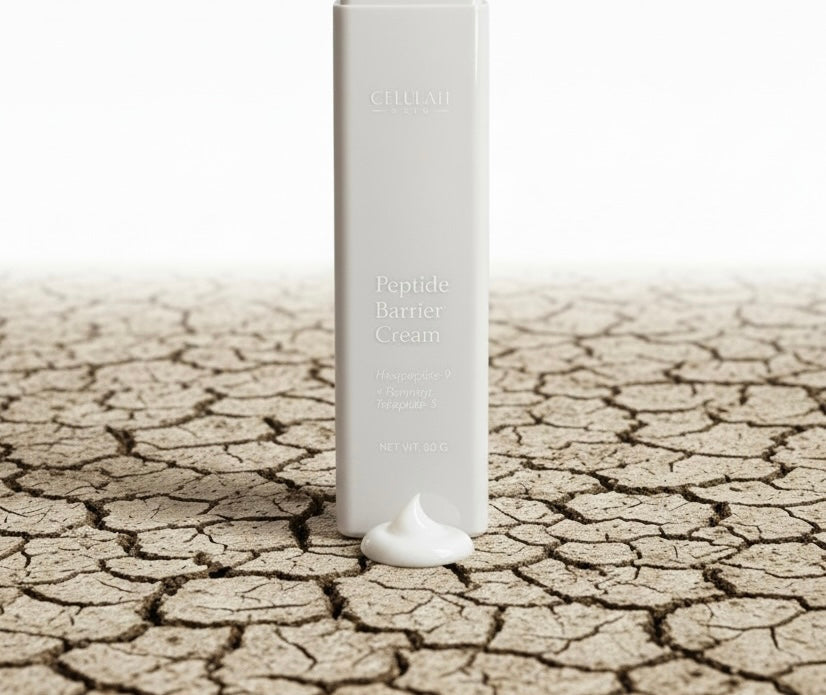
That’s one of the reasons I created Celulah Skin.

I wanted to formulate around skin comfort, hydration and barrier support, particularly for people whose skin doesn’t tolerate being constantly pushed.

Across the range, we use ingredients including ceramides, panthenol, beta-glucan, ectoin, squalane, peptides and hyaluronic acid, without added fragrance or essential oils.

But even skincare designed with sensitive skin in mind won’t suit absolutely everyone.

If your skin repeatedly tells you it doesn’t like something, listen to it.


The Bottom Line

If your skincare suddenly burns, don’t assume the discomfort means the product is working.

And don’t automatically assume you’re allergic to everything either.

Look at the bigger picture.

Has your routine become more aggressive?

Are you exfoliating frequently?

Has your cleanser started leaving your skin tight?

Have you introduced several actives?

Has your skin changed?

Could your skin barrier be compromised?

Sometimes the most useful thing you can do isn’t add another product.

It’s remove what’s irritating your skin, support it with a routine it tolerates and give it time to become comfortable again.


Celulah Skin
Barrier-first skincare for sensitive, reactive and easily overwhelmed skin.


This article provides general skincare information and isn’t intended to diagnose or treat a medical condition. Persistent or significant skin symptoms should be assessed by an appropriately qualified healthcare professional.

Reading next

Dry Skin vs Dehydrated Skin: What's the Difference? | Celulah Skin

Leave a comment

This site is protected by hCaptcha and the hCaptcha Privacy Policy and Terms of Service apply.