
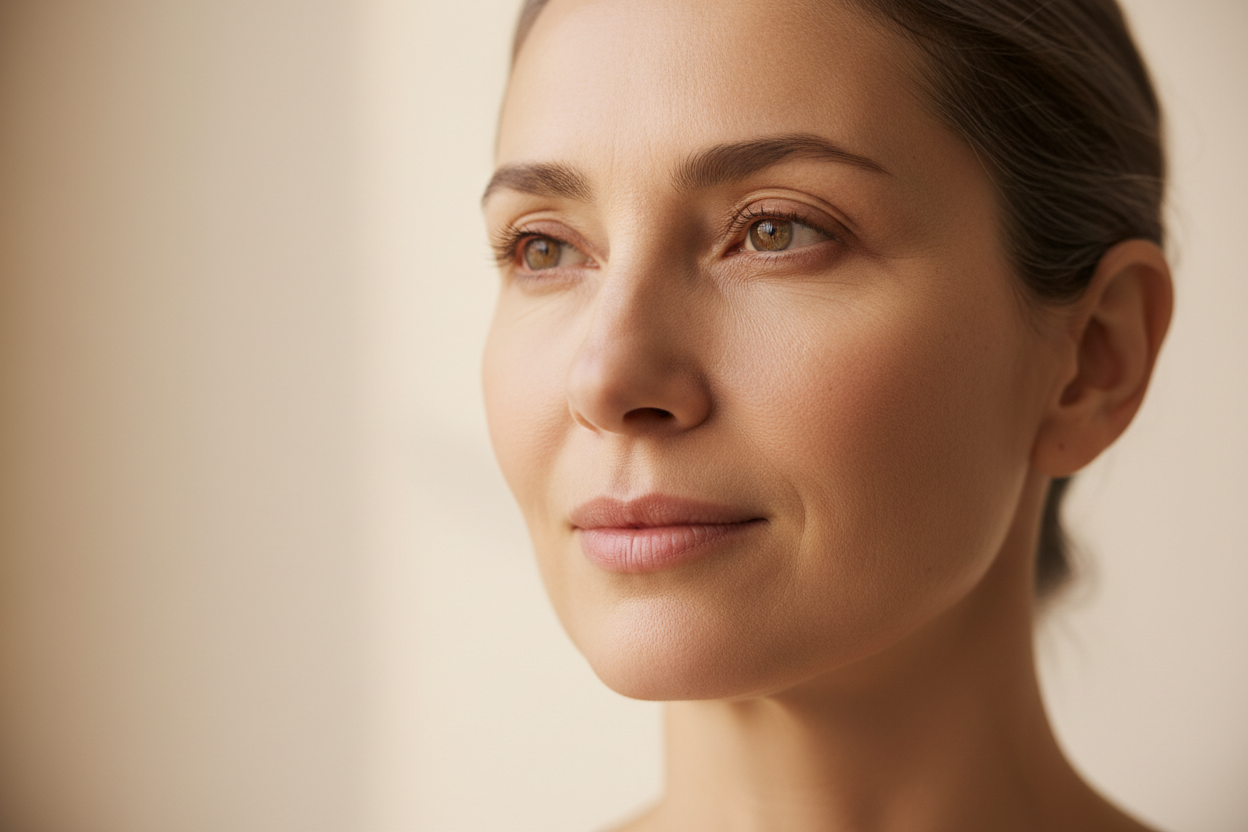
Why Does My Skin Suddenly Feel Older? A Nurse Explains.
Have you looked in the mirror recently and wondered why your skin suddenly feels different?
Maybe it feels drier than it used to. Perhaps your makeup doesn’t sit as smoothly, your skin feels thinner, or those fine lines seem more noticeable.
You’re not imagining it.
For many women, these changes seem to happen almost overnight. In reality, they’re usually the result of gradual changes happening beneath the surface of your skin.
The good news is that understanding these changes can help you choose skincare that supports your skin instead of working against it.
Why does skin change as we age?
As we get older, our skin naturally produces less collagen, elastin and oil.
Collagen helps keep skin firm and smooth.
Elastin gives skin its ability to bounce back.
Natural Oils help keep skin soft, comfortable and hydrated.
As these begin to decline, skin may feel:
- Drier
- Less firm
- More sensitive
- Rougher in texture
- Less radiant
These are normal changes, but your skincare routine can play an important role in helping your skin feel healthy and comfortable.
Why does my skin suddenly feel dry?
One of the biggest changes many women notice is dryness.
As natural oil production slows, your skin can lose moisture more easily.
You may notice:
- Tightness after cleansing
- Flaky patches
- Makeup settling into fine lines
- Skin feeling rough instead of smooth
This is why hydration and barrier support become even more important as we age.
Healthy skin naturally reflects light.
When skin becomes dehydrated or the skin barrier is compromised, it can appear tired, uneven and less radiant.
Supporting your skin barrier helps your skin retain moisture, leaving it looking healthier and more luminous.
Why does my skincare suddenly sting?
If products you’ve used for years suddenly begin to sting, your skin barrier may have become more vulnerable.
A weakened skin barrier allows moisture to escape more easily while making skin more susceptible to environmental irritants.
Choosing gentle, fragrance-free skincare can help your skin feel more comfortable.
Ingredients to look for
As skin matures, look for ingredients that focus on hydration and barrier support.
Some of my favourites include:
- Ceramides to replenish the skin barrier.
- Peptides to support smoother, firmer-looking skin.
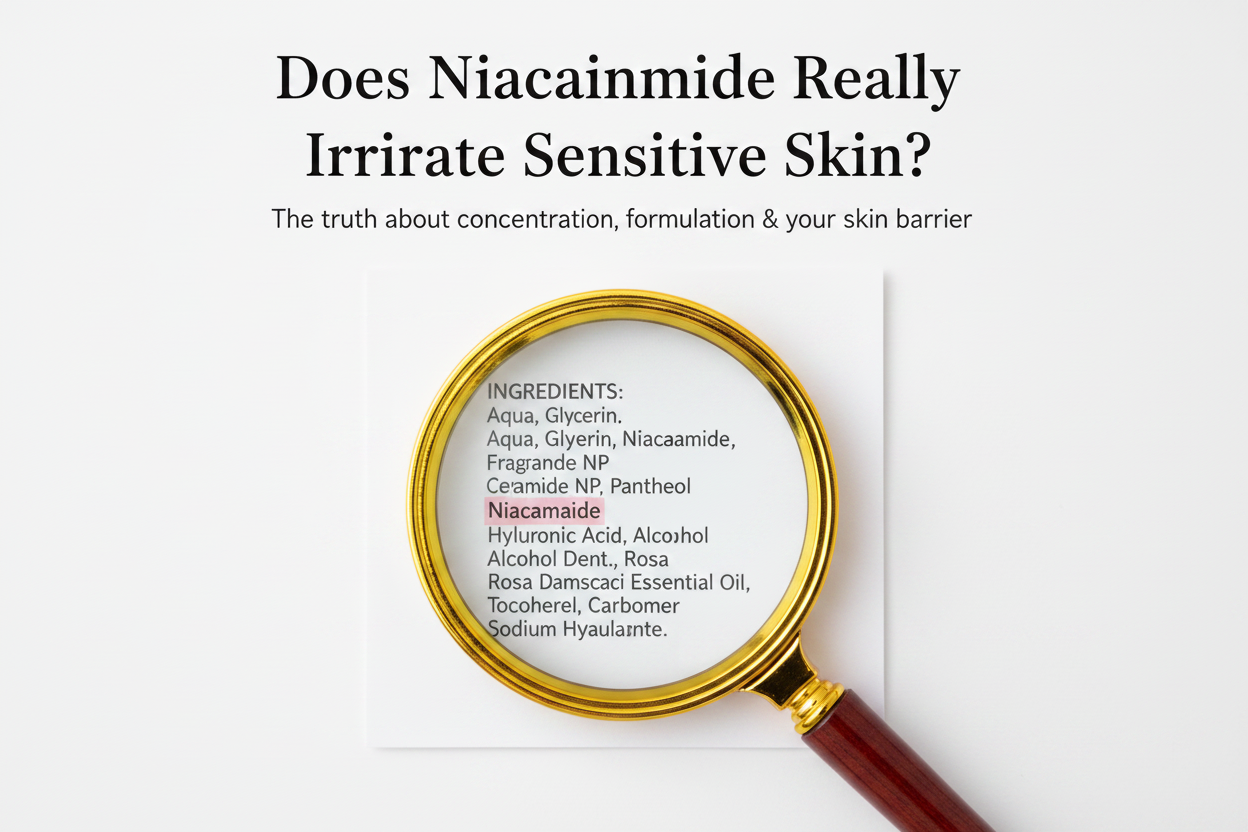
- Niacinamide to support barrier function and improve skin tone.
- Panthenol (Vitamin B5) to soothe and hydrate.
- Ectoin to help protect against environmental stress.
- Hyaluronic Acid to attract moisture.
- Squalane to soften and nourish.
These ingredients work together to help skin feel healthier, more hydrated and comfortable.
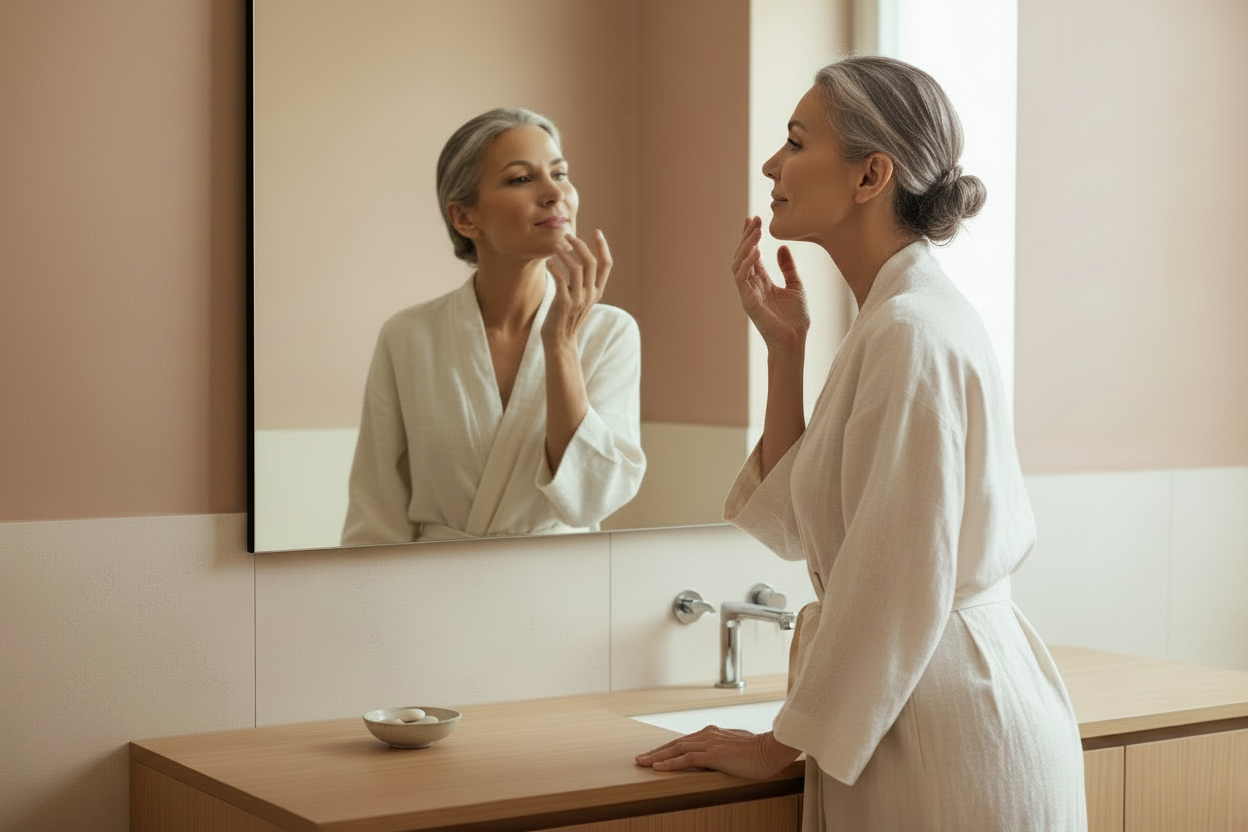
A simple routine for healthier-looking skin
Healthy skin doesn’t need an overflowing bathroom cabinet.
A simple routine can be incredibly effective.
Morning
✔ Gentle cleanser
✔ Hydrating serum
✔ Barrier-supporting moisturiser
✔ Sunscreen
Evening
✔ Gentle cleanser
✔ Hydrating serum
✔ Barrier-supporting moisturiser
Consistency matters more than constantly changing products.
Our Philosophy at Celulah Skin
At Celulah Skin, we believe healthy-looking skin starts with a healthy skin barrier.
That’s why every formula is thoughtfully created using gentle, fragrance-free ingredients chosen to support hydration, comfort and resilience.
Rather than overwhelming your skin with unnecessary ingredients, our focus is on helping your skin feel calm, balanced and cared for every day.
The Bottom Line
Ageing is a natural part of life—but feeling uncomfortable in your skin doesn’t have to be.
Understanding how your skin changes allows you to choose products that support hydration and your skin barrier while helping your skin look healthier and more radiant.
Healthy-looking skin isn’t about chasing perfection.
It’s about caring for your skin with consistency, kindness and the right ingredients.
My philosophy
Healthy skin doesn’t always need stronger products.
More often, it needs support.
I’ve spent years working with skin and have seen how easily it can become irritated when we chase stronger actives instead of protecting the skin barrier.
That’s why I created Celulah Skin—to simplify skincare with gentle, effective formulas that help skin feel calm, resilient and healthy.
Every ingredient is chosen with sensitive skin in mind because I believe great skincare should work with your skin, not against it.
Thank you for taking the time to learn more about your skin. I hope this information helps you make more confident skincare choices.
— Nicole Phillips
Founder • Dermal Therapist • Nurse

Leave a comment
This site is protected by hCaptcha and the hCaptcha Privacy Policy and Terms of Service apply.